Xeric Garden & Native Plant Installations in Spokane — Landscapes Rooted in the Inland Northwest

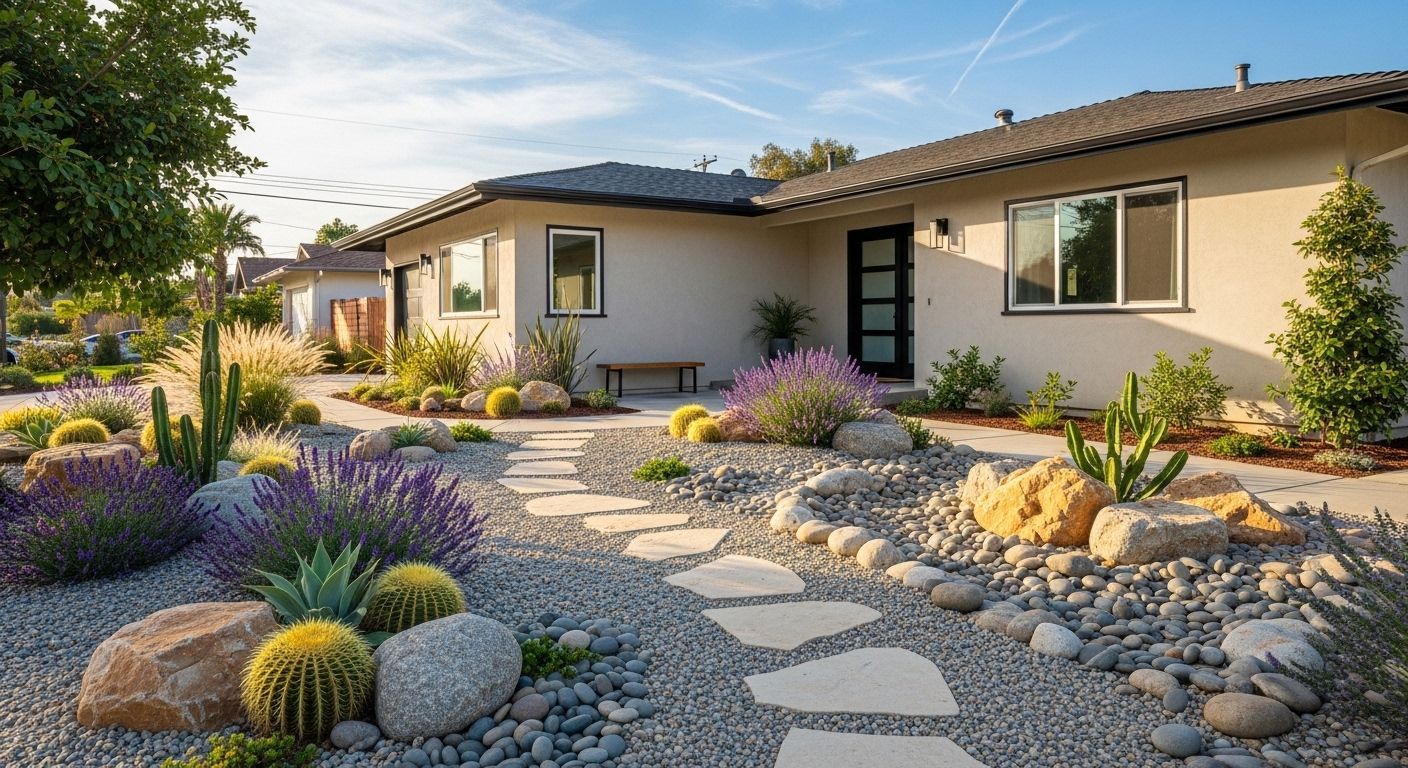
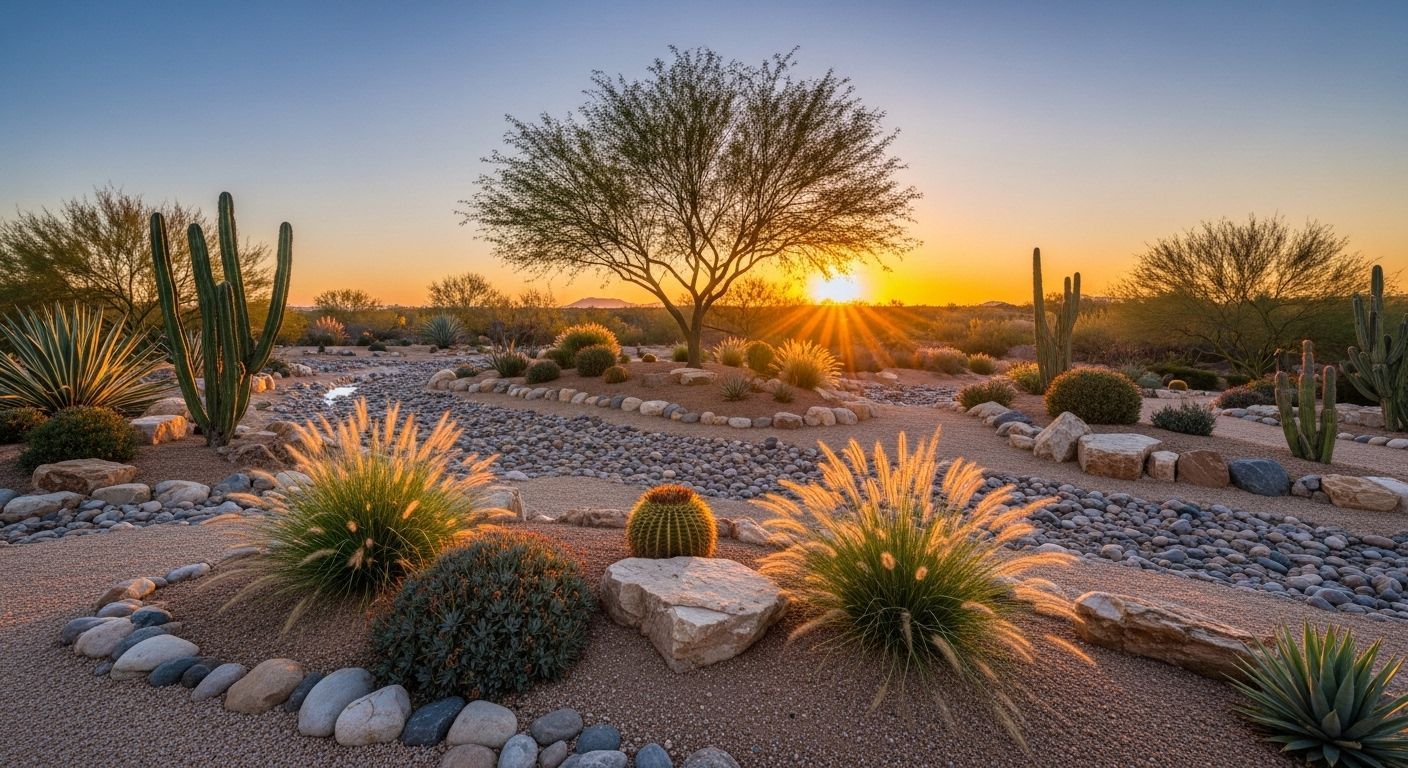
There's something quietly powerful about a landscape that belongs exactly where it is. A xeric garden filled with Eastern Washington's native plants doesn't just survive Spokane's climate — it thrives in it, supports the local ecosystem, and looks more beautiful with every passing season. At Spokane Xeriscaping, our native plant installations are designed to connect your property to the natural landscape of the Inland Northwest in a way that no imported ornamental ever could.

Our Services →

What Does "Xeric" Actually Mean?

The word xeric comes from the Greek xeros, meaning dry. In landscaping terms, a xeric landscape is one specifically designed for low-water conditions — built around plants, soils, and design principles that work naturally in dry climates rather than fighting them. A xeric garden isn't sparse or barren. Done well, it's one of the most visually layered, ecologically rich landscapes you can create — and in Spokane's semi-arid climate, it's also the most practical.

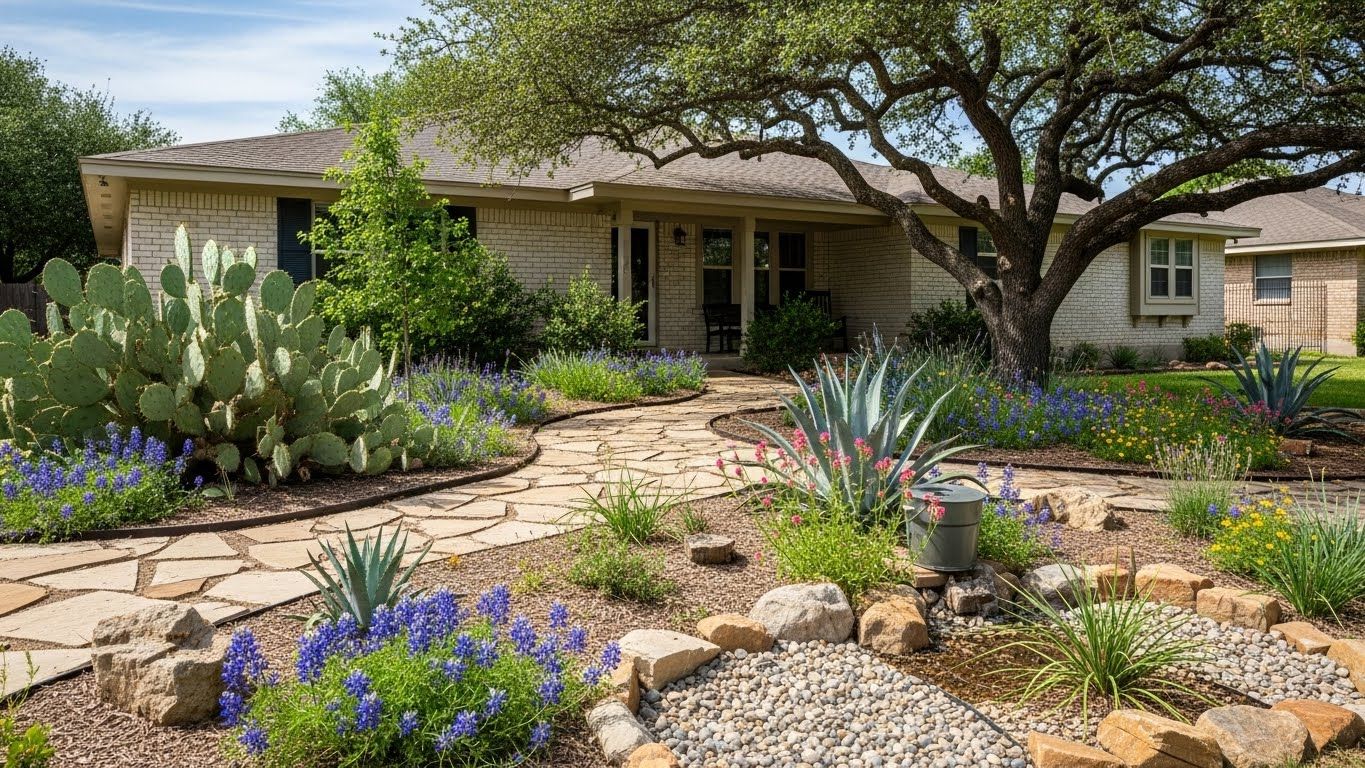
Xeric landscaping Spokane homeowners invest in is built to last through the region's hot dry summers, hard freezes, and freeze-thaw cycles without supplemental fertilizer, heavy irrigation, or seasonal replanting. The plants do the work because they were born for exactly this environment.
estimated_quoteArtboard 3

Get a Free Quote

Contact Us

Eastern Washington's Native Plant Palette

The sagebrush steppe ecosystem that defines much of the Inland Northwest is one of the most biodiverse dryland habitats in North America — and it offers a remarkable palette of plants for xeric garden design. Our native plant installations draw from species that have thrived in this region for thousands of years:


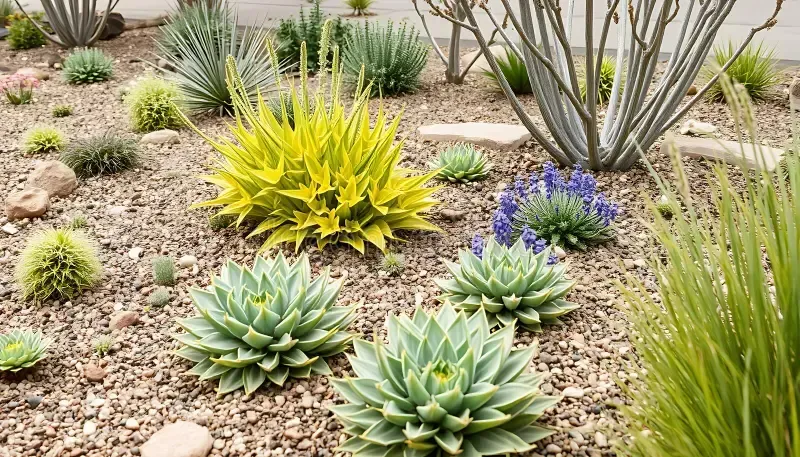
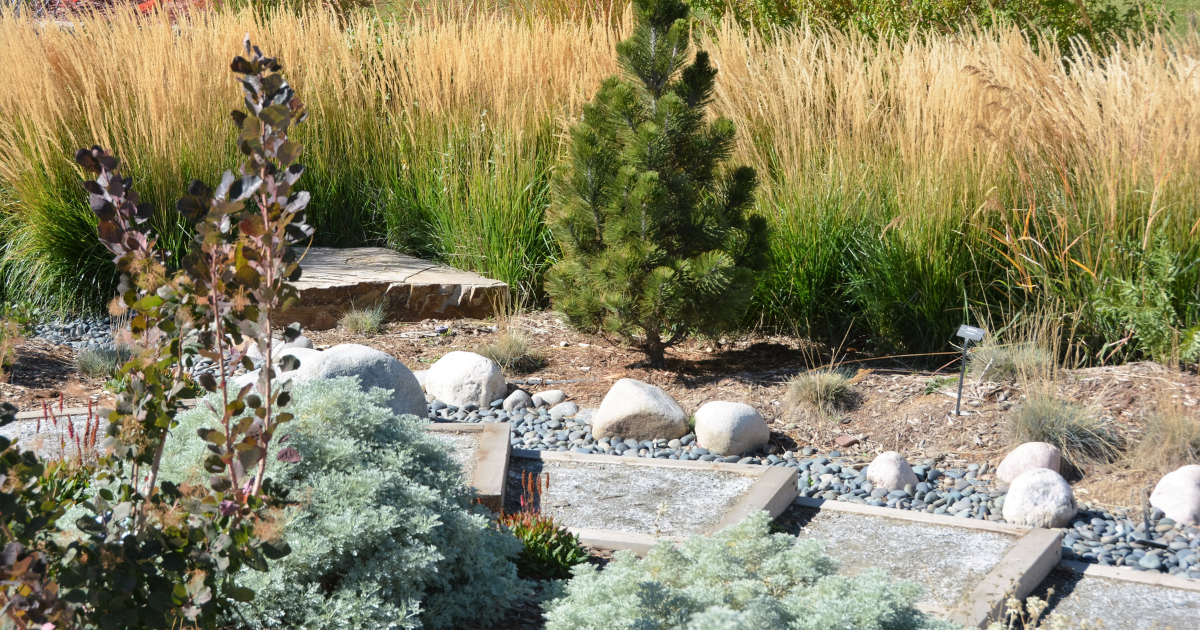
Native Shrubs & Xeriscape Bushes — Big Sagebrush, Antelope Bitterbrush, Serviceberry, and Rabbitbrush form the structural backbone of any xeric landscape design. These drought resistant shrubs are deeply rooted, frost-hardy, and provide year-round visual interest through foliage, flower, and seed head.


Native Xeriscape Grasses — Idaho Fescue, Bluebunch Wheatgrass, and Basin Wildrye are among the finest low-water plants Eastern Washington's native steppe produces. They move beautifully in the breeze, hold soil through winter, and provide critical habitat for ground-nesting birds and beneficial insects.


Native Wildflowers — Penstemon, Blanket Flower, Purple Coneflower, Arrowleaf Balsamroot, and Lupine bring season-long waves of color to xeric gardens while requiring virtually no care once established. These are the water-wise plants that make visitors stop and stare — and then ask who did your landscaping.


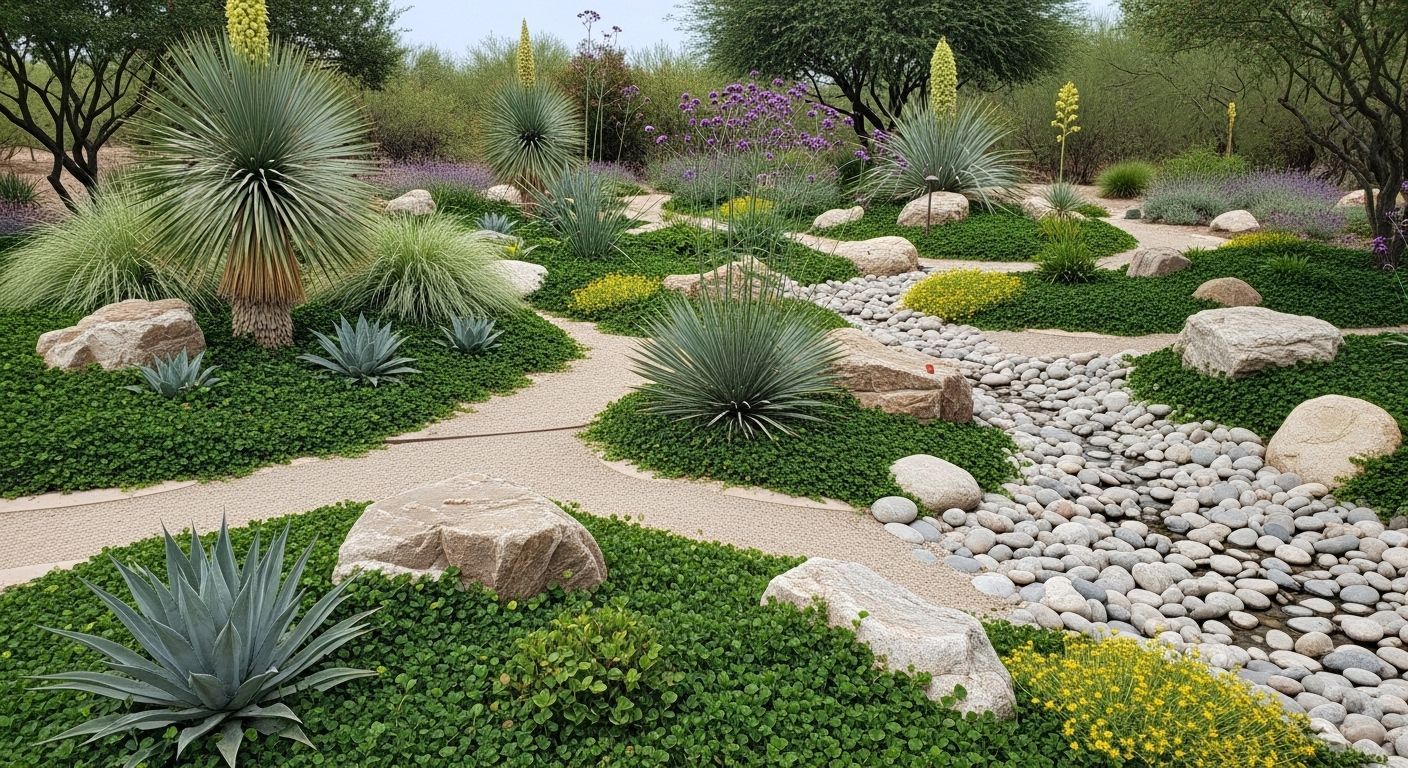
Native Ground Covers — Spreading Phlox, Kinnikinnick, and native Sedums fill gaps between larger plantings, suppress weeds naturally, and retain soil moisture — reducing irrigation needs further as the landscape matures.

Satisfied Clients

quotes2Artboard 2

The Ecological Case for Native Plant Installations

Choosing native plants isn't just an aesthetic decision — it's an ecological one with measurable impact. Research shows that native plant landscapes support up to four times more wildlife species than conventional ornamental gardens planted with non-native species. In Spokane's urban and suburban neighborhoods, where natural habitat has been significantly reduced, a single xeric garden can become a meaningful refuge for pollinators, songbirds, and beneficial insects.


Native xeriscape plants also require no synthetic fertilizer once established — eliminating a significant source of lawn chemical runoff into Eastern Washington's waterways. And because these plants evolved alongside Spokane's specific freeze-thaw cycles, they don't need winter protection, spring replacement, or any of the seasonal interventions that imported ornamentals demand. Studies indicate that established native plant landscapes require up to 80% less maintenance input than conventional ornamental gardens over a five-year period.


For Spokane homeowners, that translates directly into time and money saved every single season.

Xeriscaping Near Me?

Surviving Freeze-Thaw Cycles Without Intervention

One of the most common frustrations Spokane gardeners face is losing plants to the region's unpredictable late frosts and hard freezes. Eastern Washington native plants have evolved specifically to handle these conditions. Their root systems go deep, their cellular structure tolerates ice formation, and they emerge from winter faster and stronger than any imported ornamental. A native xeric landscape in Spokane doesn't just survive winter — it emerges from it looking exactly as intended.


Your Connection to the Inland Northwest Landscape

A xeric garden installation from Spokane Xeriscaping is more than a landscaping project. It's a permanent, living connection to the natural character of Eastern Washington — one that gets better every year, costs less every season, and gives back to the local ecosystem every single day. Contact us today to schedule your free native plant consultation