Our Full Design-to-Installation Workflow
We manage every step of your landscaping project in-house, with one dedicated team from the first site visit through the final walkthrough.
Step 1: Site Visit & Consultation
Every project begins with a free on-site consultation. We walk your property, assess soil conditions, drainage patterns, sun exposure, and existing vegetation, and sit down with you to understand your goals, preferences, and budget. This isn't a sales visit — it's a genuine planning conversation.
Step 2: Custom Design Plan
Our designers develop a complete landscape design plan tailored to your specific property. This includes plant selection, hardscape placement, grading recommendations, irrigation planning, and a detailed layout that shows exactly what your finished landscape will look like before a single shovel hits the ground.
Step 3: Material Sourcing
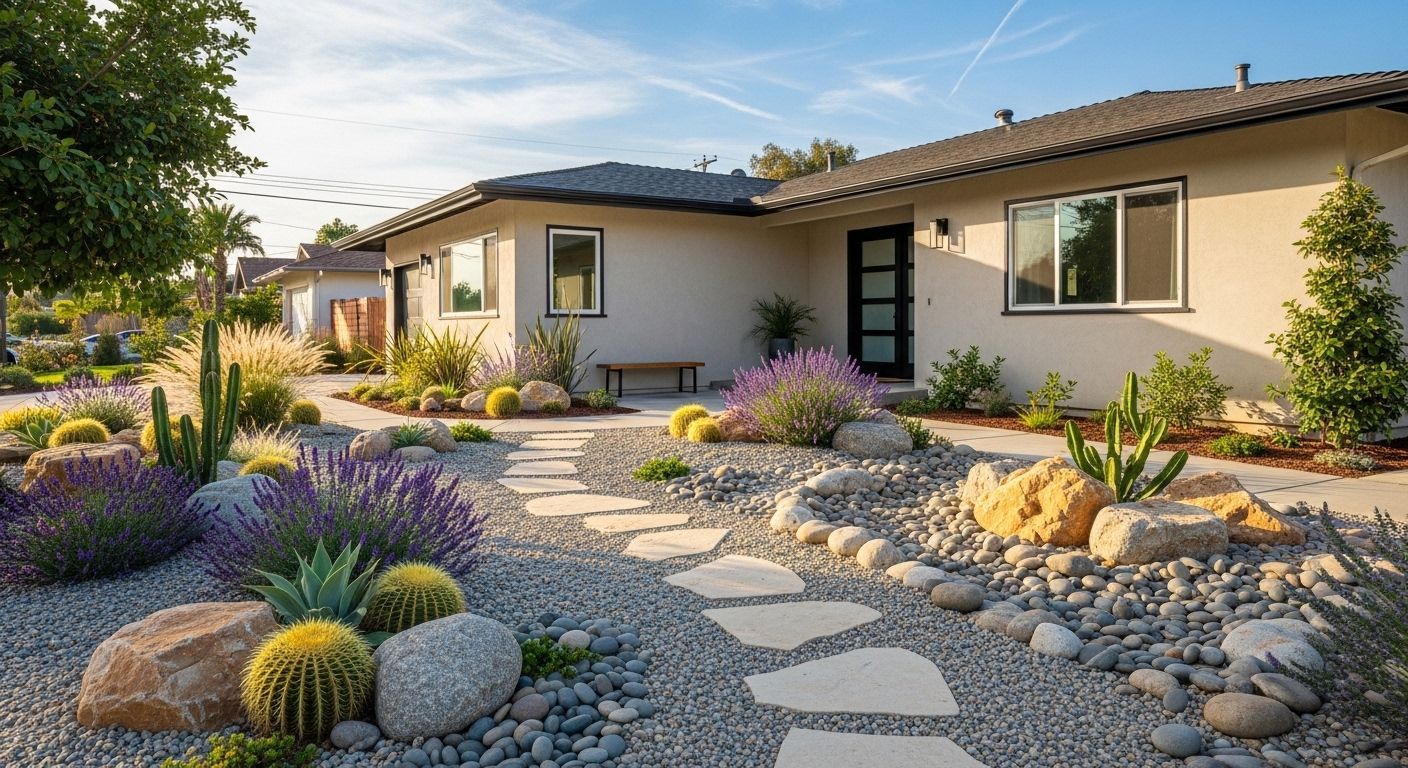
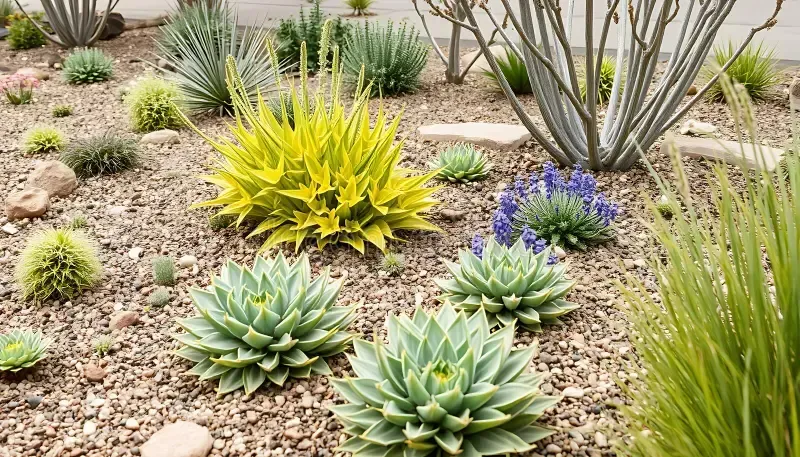
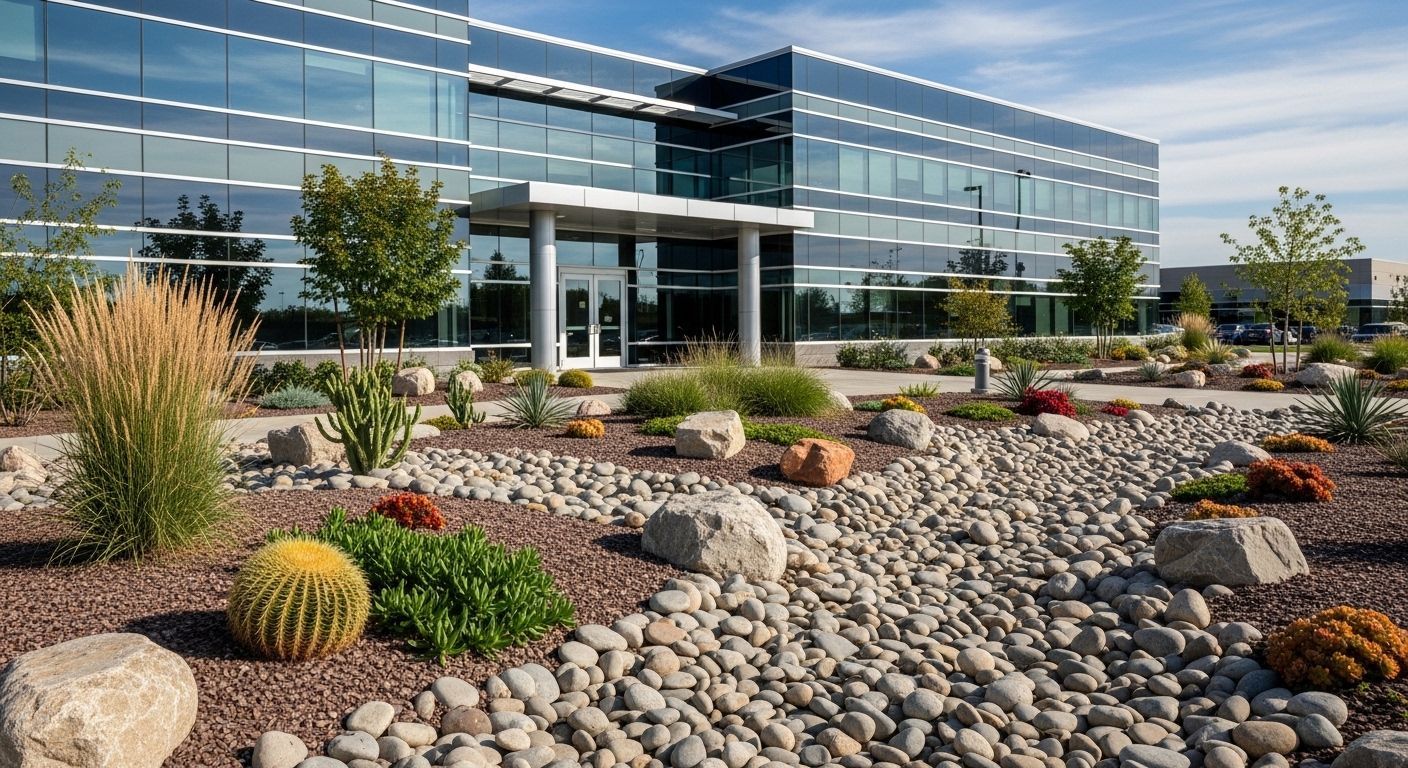
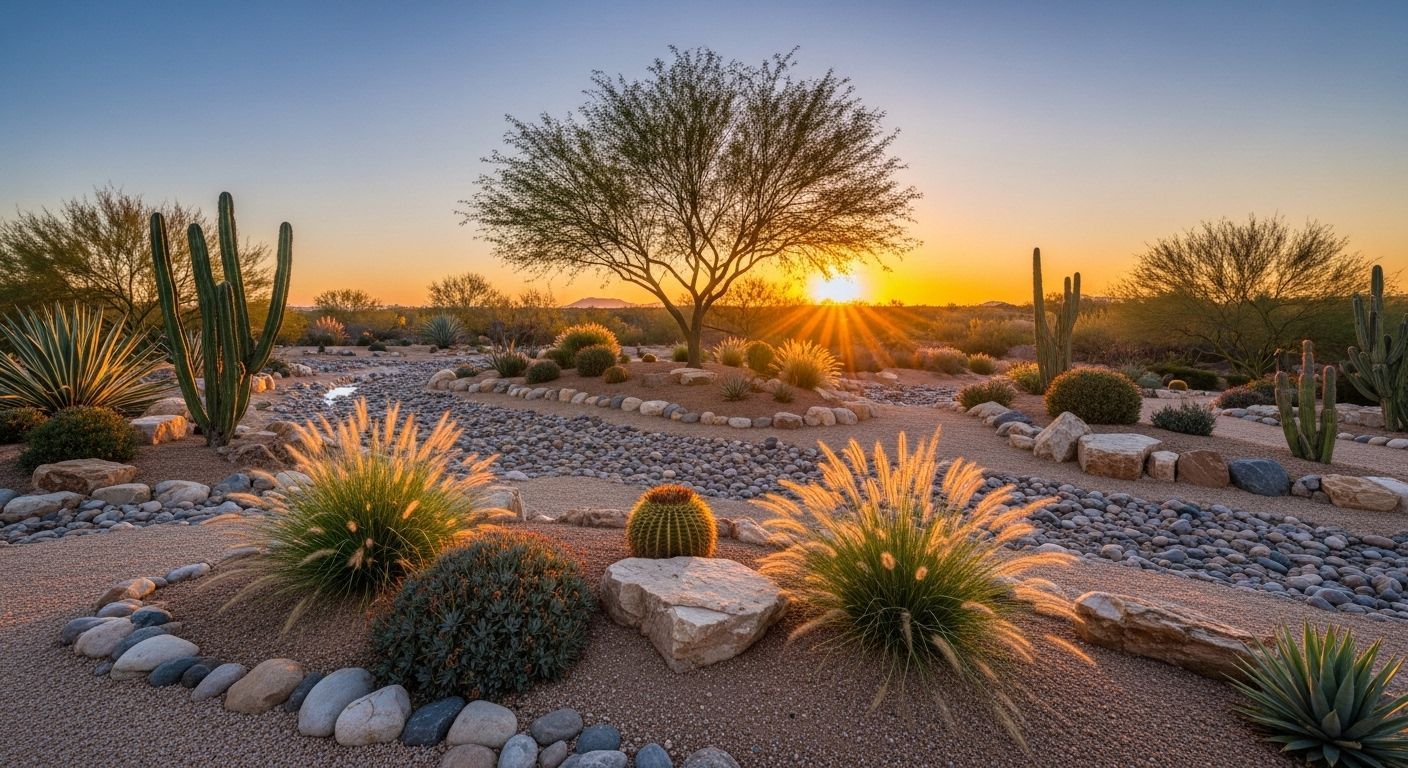
We source all plants, stone, soil amendments, mulch, and hardscape materials on your behalf — selecting the best xeriscape plants, water-wise shrubs, and low-water plants suited to Spokane's climate where appropriate, and premium traditional materials where the design calls for them.
Step 4: Grading & Site Preparation
Proper grading is the foundation of any successful landscape installation. We prepare your site to ensure correct drainage, eliminate erosion risk, and create the clean, level surfaces that professional planting and hardscaping require.
Step 5: Installation
Our installation crew handles everything — planting, hardscape construction, pathway and boulder placement, mulching, and irrigation setup or adjustment. We work efficiently and cleanly, respecting your property throughout the process.
Step 6: Final Walkthrough
When the project is complete, we walk the finished landscape with you, explain care requirements for every plant, demonstrate irrigation settings, and make sure you are completely satisfied before we consider the job done. Studies show that homeowners who receive a proper landscape orientation maintain their plantings significantly more successfully in the first two years — so we never skip this step.